Agenda-setting intelligence, analysis and advice for the global fashion community.
Agenda-setting intelligence, analysis and advice for the global fashion community.
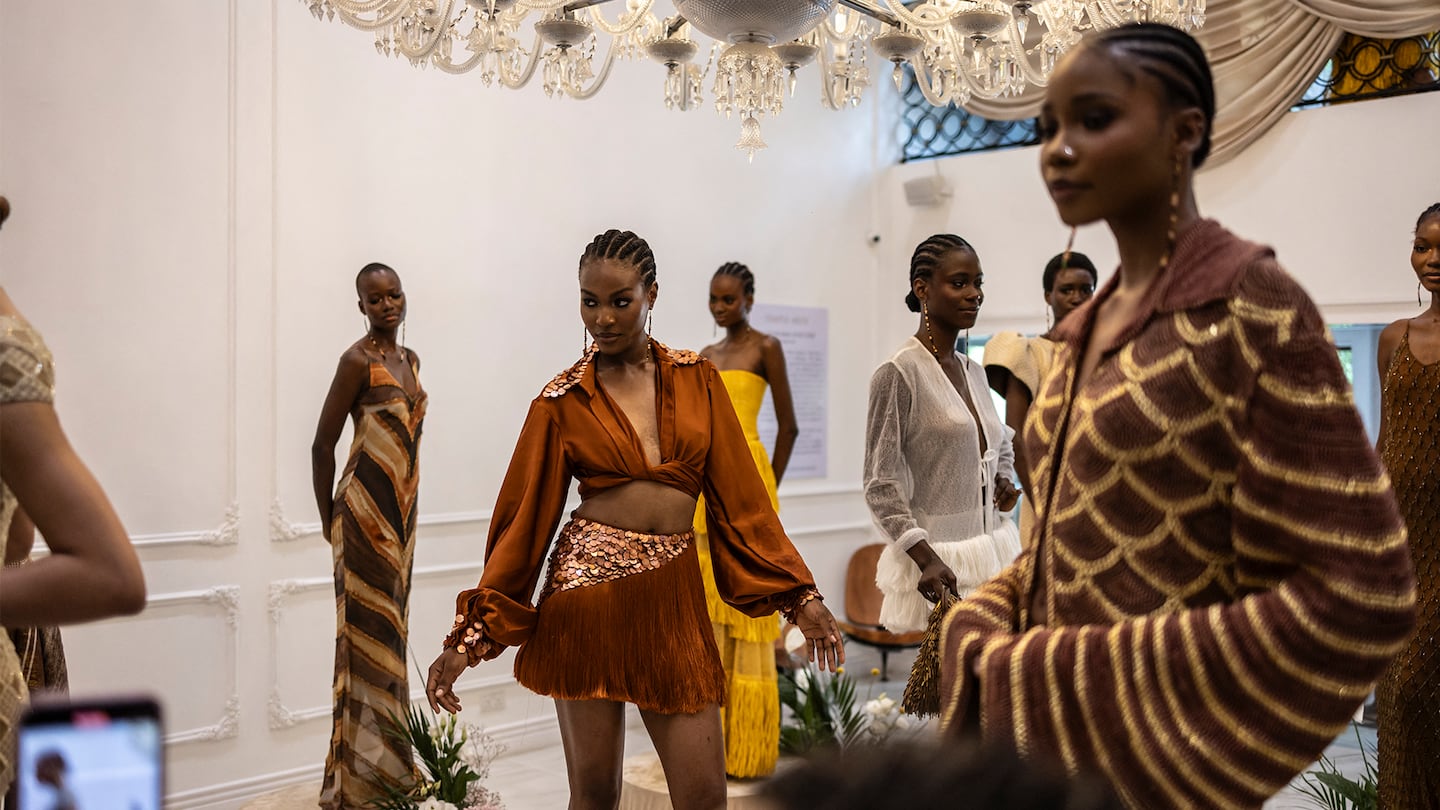
It was a tumultuous year for many in the fashion industry as tariff turmoil sparked supply chain disruptions around the world. Garment workers and factory managers across Asia, Africa and Latin America watched with growing alarm and frustration as chaotic US trade policies prompted retail buyers on the other side of the planet to reevaluate their sourcing relationships.
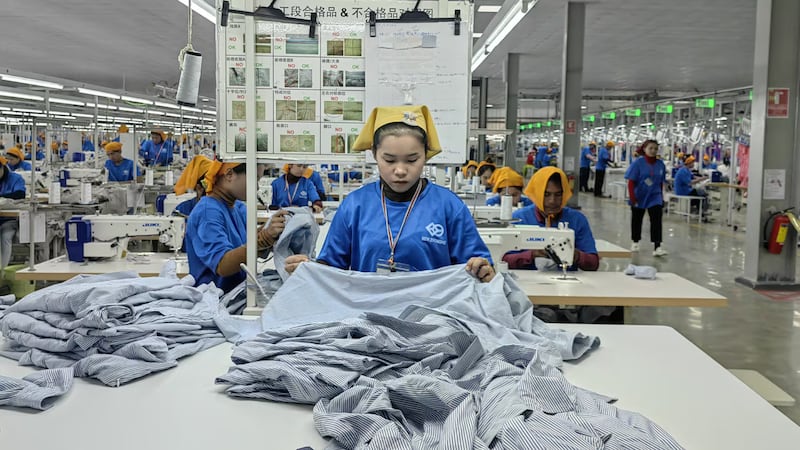
Across Southeast Asia, where much of the world’s apparel and footwear is made, those tremors were felt with particular force as manufacturers in countries like Vietnam, Cambodia and Indonesia faced cancelled orders and worker layoffs. Further north, Chinese suppliers found themselves caught in the crosshairs of a worrying new phase of the long-running US-China trade war.
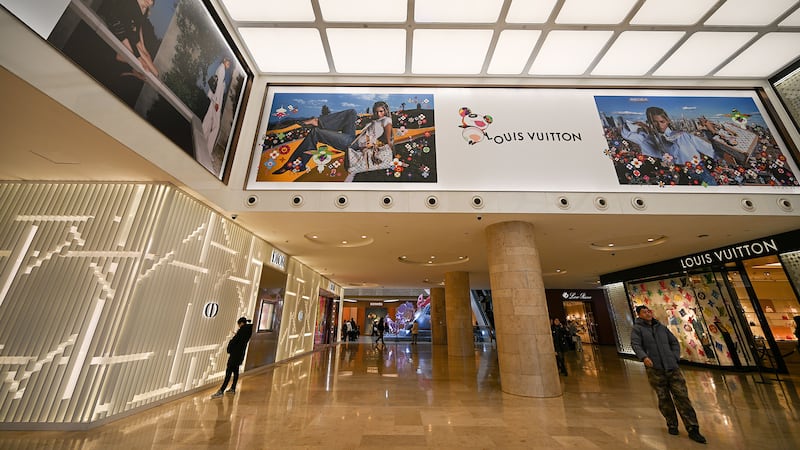
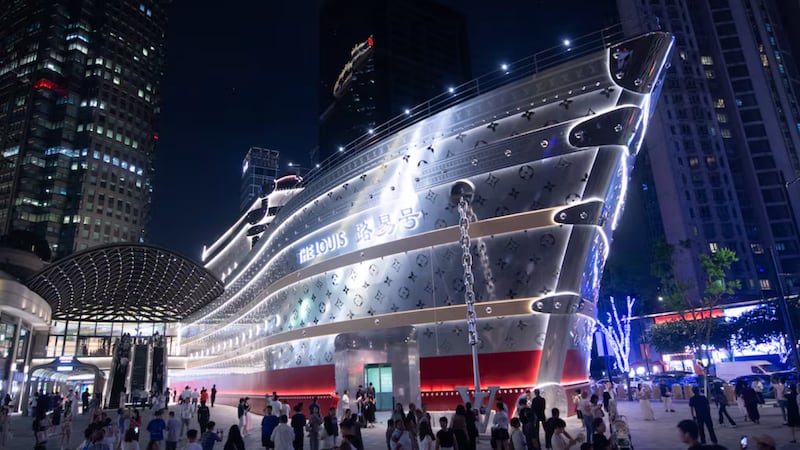
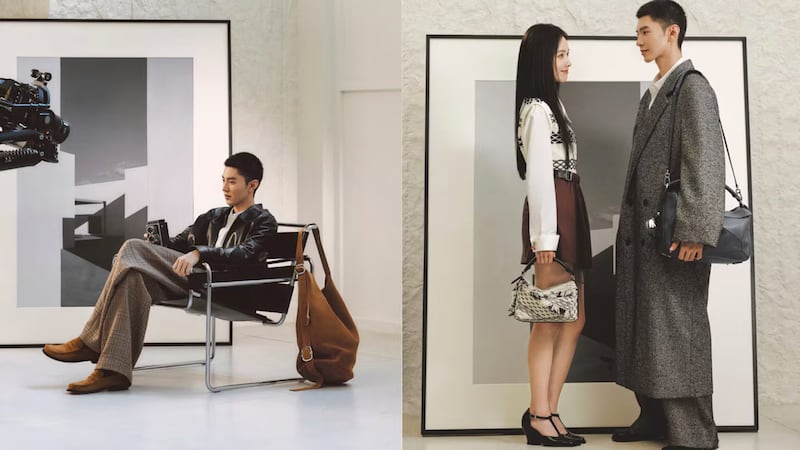
Instability was certainly not confined to the manufacturing sector this year. The luxury industry’s long-awaited rebound in China proved frustratingly uneven. Recovery flickered but failed to fully ignite, leaving brands searching for new ways to revive growth. This led some to explore new marketing channels including bite-sized soap operas known as “mini-dramas,” although the gamble did not pay off for everyone.
Unlocking new audiences was also top of mind for brands in India, where marketers highlighted the untapped potential of cricketers as a way of extending the celebrity ambassador playbook to the kind of athletes who are revered just as much as film stars. The year also saw India’s most powerful companies spark lively discussion in Europe as industry leaders sought alliances with gatekeepers like Reliance Retail to help them navigate through the complex yet rapidly growing market.
ADVERTISEMENT
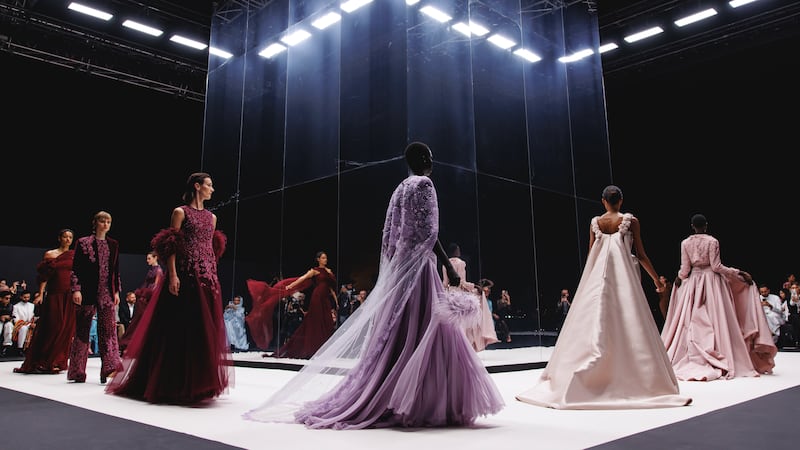
Unlike more resilient traditional clothing sectors in India, Pakistan and Sri Lanka, Japan’s venerated kimono industry faced mounting uncertainty amid falling sales and skills shortages. Wafuku fabric and fashion houses stepped up efforts to offset the decline while safeguarding their artisanal heritage. But it was in Eastern Europe where creative solutions were in greater demand. Daring designers in Ukraine persevered as war continued to rage and Russian fashion week organisers found new ways of alleviating their isolation from businesses in the West.
In the Middle East, the fragile Gaza ceasefire prompted a brief rally in stock markets from Saudi Arabia to Qatar. Fashion businesses in Dubai managed to remain buoyant throughout much of the conflict, helping the regional shopping hub defy the wider luxury downturn. But upmarket brands in Emirati malls were not the only ones registering strong results in 2025. Turkish mass-market brands continued their global retail march, attracting new customers from high-growth, high-risk frontier markets such as Albania and Mongolia, where Western European rivals have little or no presence.
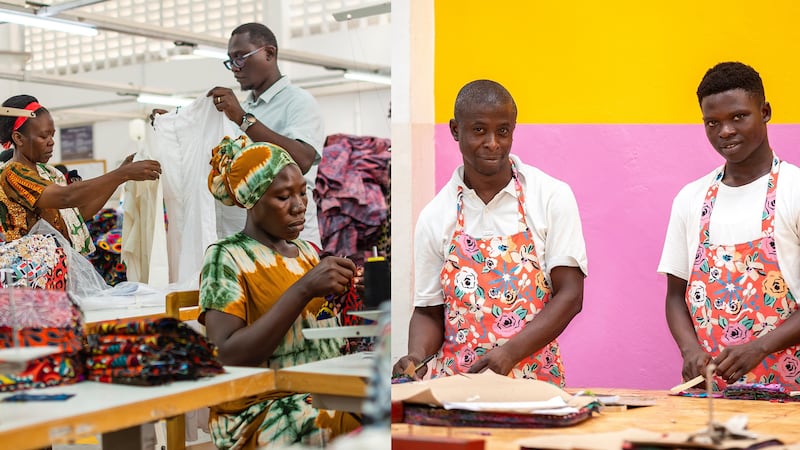
On the African continent, an exciting new investment narrative emerged with the potential of transforming and connecting national fashion industries. An Egyptian bank began funding major projects across the region, from textile and garment manufacturing facilities in Benin and Nigeria to export programmes for designer brands from Kenya, Ghana and beyond. These and other encouraging developments helped lift the mood after the disappointing expiry of an important US preferential trade programme for Africa.
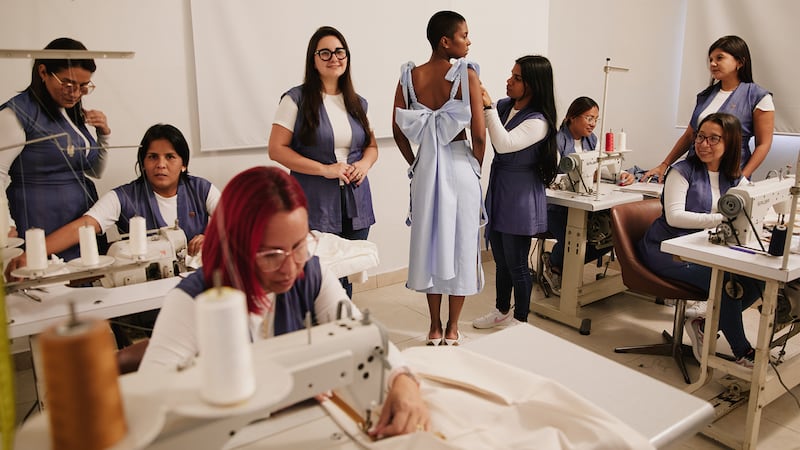
Latin America’s links to the global fashion industry came into even sharper focus in 2025. Photographers from Brazil, Mexico and Argentina landed more editorial and advertising gigs than ever before, thanks to their potent combination of culturally rich imagery and entrepreneurial spirit. The region also demonstrated its value as a consumer market for sectors experiencing a slump elsewhere. Streetwear, for example, continued to surge across Colombia, Peru and other countries despite losing momentum in the Western markets.
As we approach 2026, these and other developments over the past 12 months remind us of the grit, determination and wild imagination required to thrive in an ever-changing global market.
1. Tariff Turmoil Hits Vulnerable Fashion Manufacturers in Southeast Asia. Looming ‘reciprocal’ US tariffs threaten the profitability of larger suppliers and the viability of smaller ones in countries like Vietnam, Cambodia and Indonesia where some factories already face cancelled orders and worker layoffs.
2. Is China’s Luxury Market Ready to Rebound? The short answer is yes — but it won’t soon return to its pre-pandemic growth rates. After two years of turbulence, the market remains shaky, and brands will need to earn every sale.
3. Luxury’s High-Stakes Gamble on China’s Mini-Dramas. Brands like Loewe are betting on the craze for bite-sized soap operas, testing how far they can stretch mass-market entertainment without undermining their prestige positioning.
ADVERTISEMENT
4. Why Aren’t Luxury Brands Signing India’s Cricketers? India’s most idolised sportsmen have the potential to be powerful marketing vehicles for global fashion brands but only if partnerships don’t distract players from the game or cast them as elitist figures in the eyes of their diverse fanbase.

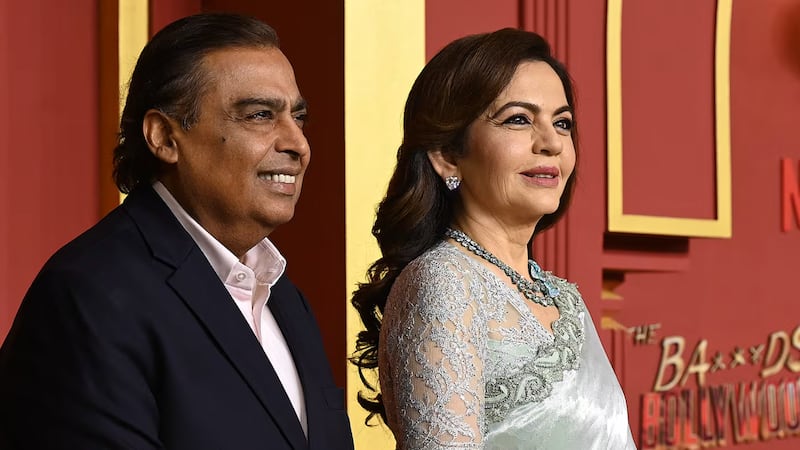
5. How Reliance Retail Rules the Indian Fashion Market. Although it is just one arm of the Ambani family’s $225 billion oil-to-telecoms empire, Reliance has become India’s largest retailer by offering everything from low-cost essentials to luxury goods from Armani to Zegna across multiple formats.
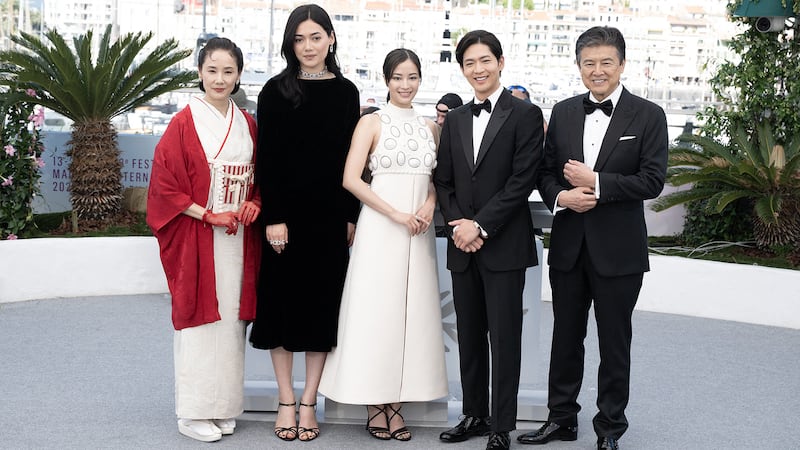
6. Japan’s Venerated Kimono Industry Faces Uncertain Future. Wafuku fabric and fashion houses are searching for new ways to offset falling kimono sales and safeguard their artisanal heritage. But will a mix of modernisation, diversification and overseas collaborations be enough to secure their survival?
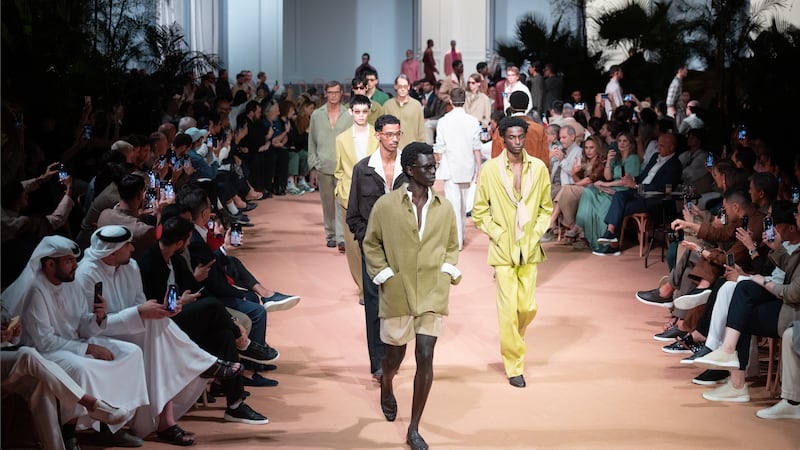
7. How Dubai Is Defying the Luxury Downturn. Zegna staged a runway show in Dubai the emirate, following in the footsteps of Roberto Cavalli, Armani and Chanel. The emirate remains the most established hub for luxury shopping in the Gulf region, which has bucked the industry’s downward trend.
Subscribe to Worldview for global intelligence on the people, companies and places making news this week in the Asia-Pacific, Middle East, Africa, Latin America, CIS and Eastern Europe regions — by our Global Markets Editor Robb Young.
Hubs like Nanjing and Changsha are drawing increased attention from brands such as Louis Vuitton and Burberry as middle-class consumers relocating from Beijing and Shanghai in search of higher quality of life take their appetite for luxury goods with them.
Even if Washington moves to extend the duty-free trade deal for 32 African countries, letting it lapse in September has put factory jobs at risk and forced manufacturers to absorb new costs, weakening US sourcing ties across the region from Kenya to Madagascar.
This week’s round-up of global markets fashion business news also features China’s plummeting footwear exports, Indonesian textiles and Chile’s department store giant.
This report, in partnership with Snap Inc. in MENA, explores how global and regional fashion and beauty brands can most authentically and effectively tap into the expansive, multicultural communities across the Gulf Cooperation Council.
Thom Browne, Abercrombie & Fitch and Tecovas are among the brands with Super Bowl activations. Meanwhile, the Winter Olympics kick off in Milan.
The embattled luxury department store is ‘absolutely dependent’ on companies like Chanel, LVMH and Kering, who could ‘suffocate’ the retailer if they stopped shipping, Reuters reported.
The polarising actress has become one of the most frequently tapped brand ambassadors in Hollywood. Whether she has the sway to build a lasting venture with her new lingerie line Syrn is still to be determined.
Fresh off a week of major moments, Tim Blanks and Imran Amed break down the blockbuster couture debuts at Dior and Chanel and what they signify about the state of the luxury industry.