Agenda-setting intelligence, analysis and advice for the global fashion community.
Agenda-setting intelligence, analysis and advice for the global fashion community.
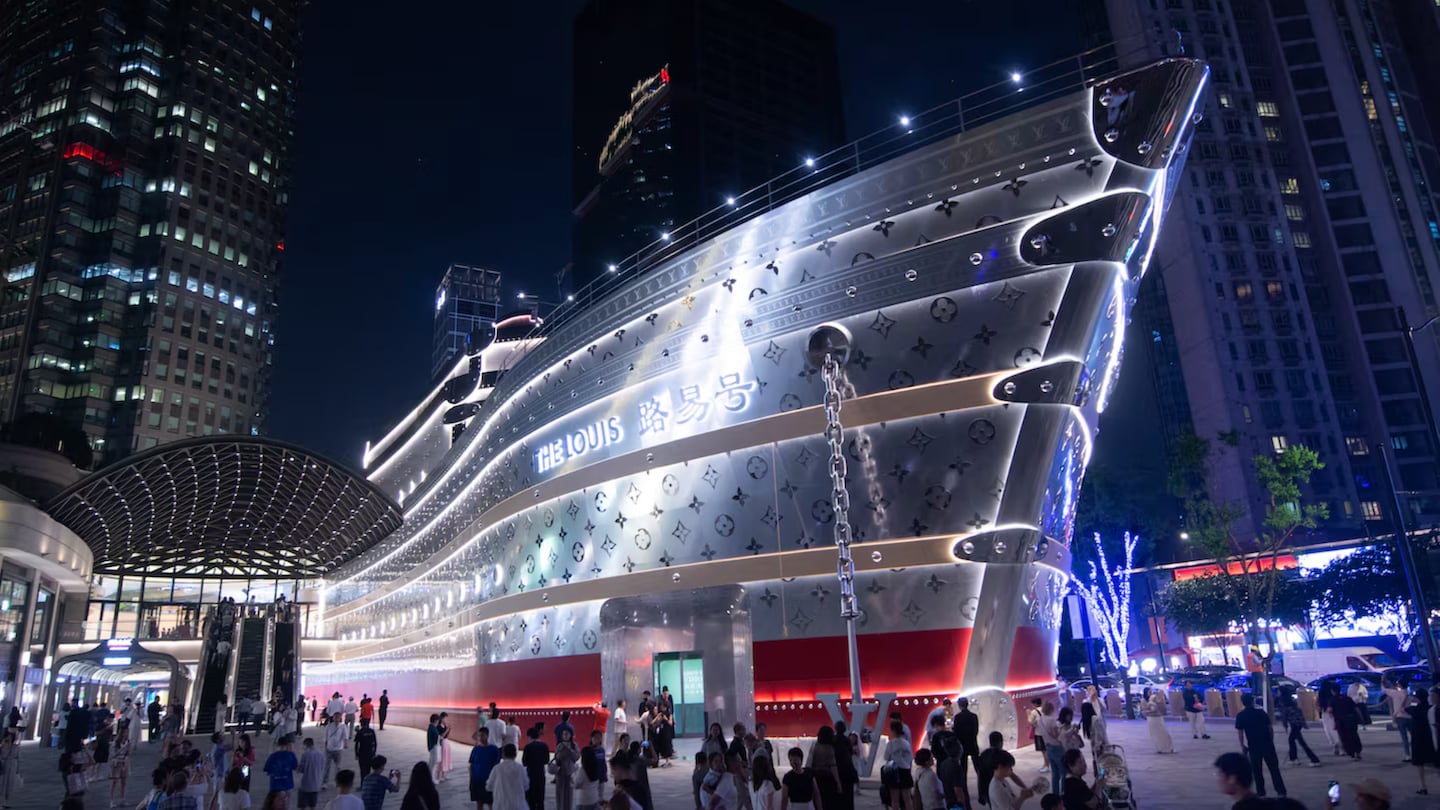
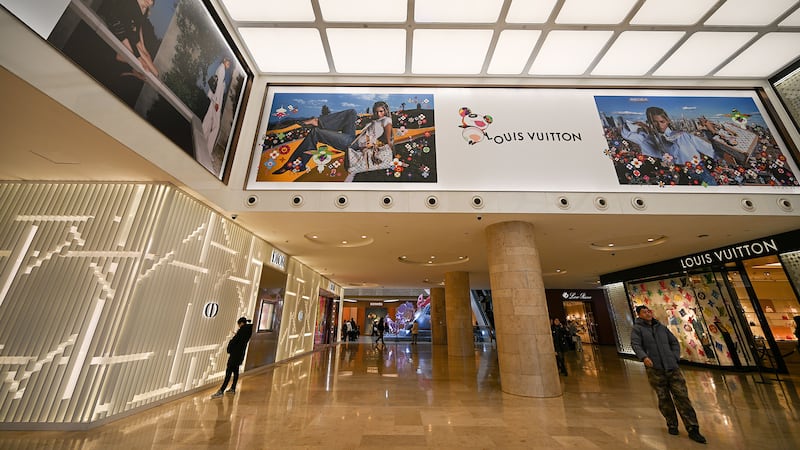
China’s personal luxury goods market is expected to return to modest growth in 2026, consultancy Bain & Company said on Thursday, but warned the recovery would be fragile and uneven across brands and categories.
The mainland luxury market shrank 3 percent to 5 percent in 2025, recovering from a drop of 17 percent to 19 percent in 2024, and the consultancy forecast that the world’s second largest economy would remain a “cornerstone of luxury market growth”.
“Brands catering to affordable luxury and ultra-premium segments emerged as winners, delivering perceived ‘true value’, the consultancy said in its latest China luxury report.
Consumer confidence in China, which accounts for about a quarter of luxury spending, has been hit by a prolonged property crisis and job concerns, forcing luxury brands to rethink their strategy in the world’s second-largest economy.
ADVERTISEMENT
Despite cautious consumer sentiment in much of 2025, the luxury sector showed signs of stabilisation from the third quarter, helped by a stronger stock market and better consumer confidence while coming off the weak base of 2024, Bain said.
Looking ahead, it expects “modest” expansion in 2026, supported by a growing middle class, rising consumer confidence and policy measures that spur domestic consumption.
However, the growth will stay “segment specific”, said Bruno Lannes, a senior partner.
The consultancy described 2025 as a “recalibration” year for the world’s second-largest luxury market, with shoppers becoming more selective and trending towards items offering “true value”.
Travel and wellness experiences retained priority over material purchases, it said, adding that the rise of local players was a key trend in 2025.
“These emerging Chinese brands are capturing consumer attention with offerings that blend innovation and cultural relevance, positioning them as strong competitors,” it added.
Performance across categories was mixed, with beauty the strongest, rebounding to growth of 4 percent to 7 percent, while demand for fashion fell 5 percent to 8 percent. That still outperformed leather goods, which dropped 8 percent to 11 percent, hurt in part by price hikes.
Demand for watches slumped an estimated 14 percent to 17 percent as consumers turned to investments or secondhand alternatives. The jewellery sector’s decline narrowed to up to 5 percent.
ADVERTISEMENT
“Brands that maintain strong desirability and deliver clear value through innovation and targeted pricing strategies are proving more resilient,” the consultancy said.
The report supports recent earnings results from the likes of LVMH, which had better-than-expected sales in the fourth quarter, benefiting from improved China demand, though CEO Bernard Arnault said he was cautious about the year ahead.
Burberry also beat expectations for sales growth in the key holiday quarter, which the British luxury brand attributed to successfully attracting more Chinese Gen-Z consumers.
This month, Cartier owner Richemont reported sales ahead of market expectations, partly thanks to a continued recovery in greater China, its second-biggest market.
Bain said domestic spending accounted for 65 percent of Chinese luxury spending in 2025, reversing the rebound in overseas demand of the previous two years.
A weaker currency and narrowing global price gaps pushed more purchases back to the domestic market, despite a recovery in outbound travel.
The secondhand luxury segment grew 15 percent to 20 percent, while daigou sales, or purchases for others, long a pillar of Chinese luxury spending abroad, showed signs of restraint as brands tightened control of unofficial channels.
By Sophie Yu
ADVERTISEMENT
Learn more:
Second-Tier Cities Are Critical to Reviving Luxury Growth in China
Hubs like Nanjing and Changsha are drawing increased attention from brands such as Louis Vuitton and Burberry as middle-class consumers relocating from Beijing and Shanghai in search of higher quality of life take their appetite for luxury goods with them.
Disclosure: LVMH is part of a group of investors who, together, hold a minority interest in The Business of Fashion. All investors have signed shareholders’ documentation guaranteeing BoF’s complete editorial independence.
Hubs like Nanjing and Changsha are drawing increased attention from brands such as Louis Vuitton and Burberry as middle-class consumers relocating from Beijing and Shanghai in search of higher quality of life take their appetite for luxury goods with them.
Even if Washington moves to extend the duty-free trade deal for 32 African countries, letting it lapse in September has put factory jobs at risk and forced manufacturers to absorb new costs, weakening US sourcing ties across the region from Kenya to Madagascar.
This week’s round-up of global markets fashion business news also features China’s plummeting footwear exports, Indonesian textiles and Chile’s department store giant.
This report, in partnership with Snap Inc. in MENA, explores how global and regional fashion and beauty brands can most authentically and effectively tap into the expansive, multicultural communities across the Gulf Cooperation Council.
The embattled luxury department store is ‘absolutely dependent’ on companies like Chanel, LVMH and Kering, who could ‘suffocate’ the retailer if they stopped shipping, Reuters reported.
The polarising actress has become one of the most frequently tapped brand ambassadors in Hollywood. Whether she has the sway to build a lasting venture with her new lingerie line Syrn is still to be determined.
Fresh off a week of major moments, Tim Blanks and Imran Amed break down the blockbuster couture debuts at Dior and Chanel and what they signify about the state of the luxury industry.
Since the audit began in 2020, the Milanese fashion group found that more than a quarter of suppliers and subcontractors inspected had broken compliance rules.