Agenda-setting intelligence, analysis and advice for the global fashion community.
Agenda-setting intelligence, analysis and advice for the global fashion community.
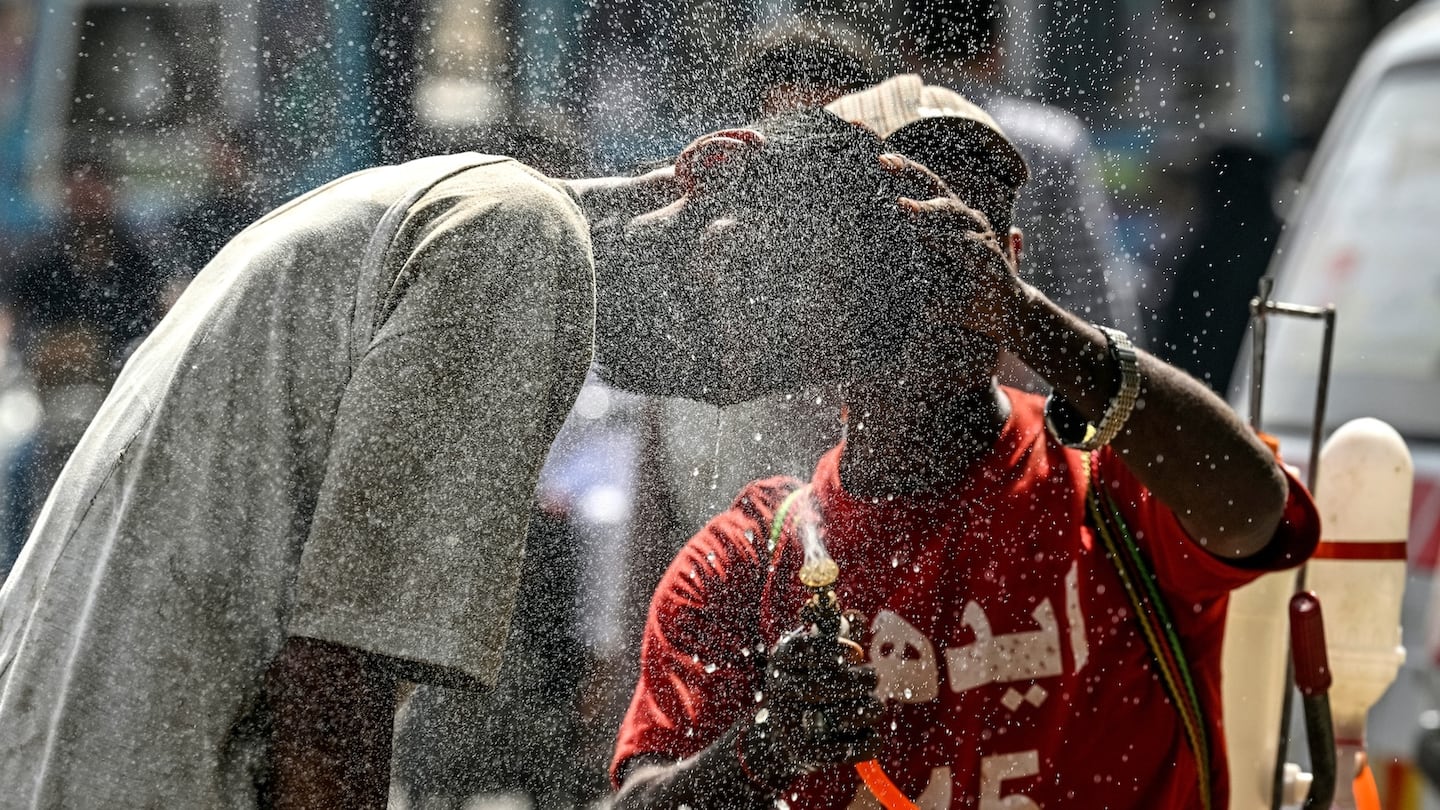
As temperatures surged through the workday, workers in Bangladesh and Pakistan consistently described experiencing dizziness, nausea, blurred vision, muscle cramps, fainting spells and chronic dehydration.
“Sometimes my vision becomes blurry. I have felt dizzy many times,” Muhammad Hunain, a textile mill worker in Karachi, told the watchdog and advocacy organisation Climate Rights International. “There have been moments when I felt like I might faint, but stopping work is not an option. If I sit down or slow down too much, the supervisors scold us, and the contractor can cut our wages.”
In two reports documenting the impact of heat stress on garment factory workers in Dhaka and Karachi, CRI revealed that rising temperatures exacerbated by poor working conditions have severely affected worker health across facilities used by major international brands including H&M, Gap and Inditex, among others. The investigations, which took place over 2023 and 2024 in Bangladesh and this year in Pakistan, found factories whose indoor temperatures regularly exceed outdoor heat, trapped by machinery, unventilated spaces and dense production floors.
The findings prompted CRI to send a joint letter with 44 labour rights, climate and sustainable-fashion organisations asking the steering committee of the International Accord — a binding workplace safety agreement between 282 global brands and suppliers founded after the Rana Plaza tragedy — to update its mandate to include climate-related hazards, notably extreme heat.
ADVERTISEMENT
On Dec. 8, CRI got its reply: The Accord “has formally agreed to treat heat stress as a workplace-safety risk and will create a binding protocol to address it,” it said in a letter back to CRI.
The move marks the first major change to the Accord’s mandate, which in the past focused on structural, electrical, boiler and fire safety, to address a hazard.
While net zero pledges and decarbonisation targets have been the centre of fashion’s climate commitments, heat stress faced by workers across apparel factories has become a serious yet largely unaddressed concern. In the most critical insight from CRI’s reports, labour-rights abuses were linked to actively preventing workers from adapting to climate change and in turn coping with extreme heat.
“It’s not just that it’s really hot,” said Cara Schulte, the lead researcher on CRI’s two heat stress reports. “The rules in the factory stop people from staying hydrated, slowing down, resting, adjusting their working hours. Something as simple as letting workers take breaks to drink water could make a huge difference.”
Even engineering fixes like heat pumps, which can reduce indoor temperatures, won’t help if workers cannot take breaks, access shade or avoid punitive wage deductions for slowing down, she added.
Schulte said the aim of the reports was to put heat stress as a key issue, on brands’ radars — show that more investment is needed to combat it and that there is a business case for doing so, because if workers are suffering production is bound to slow down.
Given this, the recognition from the Accord, which is a binding agreement among brands and suppliers, is a victory.
“What we feel really excited about is now heat has been identified as a specific risk to workers,” Schulte said.
ADVERTISEMENT
Workers explained to CRI that, even as it gets hotter, factory and mill authorities as well as the brands sourcing from them do little to protect them from the heat. Even in extreme conditions, production targets remain unchanged. Many workers reported no fans, no cooling units and little to no ventilation in their workplaces, with some noting that their factories keep doors or windows closed during work hours.
“We saw over 150 complaints to brands from workers related to heat through the Accord’s reporting mechanism,” Schulte said. “For a worker to file a complaint, considering the extent of rights abuse they face, they really have to feel something is wrong and worth the risk of retaliation that they fear. That alone shows the severity.”
All the brands, other than Ikea, that were linked to factories facing severe heat stress in CRI’s investigation are signatories of the Accord. But despite the scale of the problem, brand responses to CRI’s findings were uneven.
Only Next, among those included in the Pakistan investigation, claimed to already have heat-protection guidelines in place for its supplier factories.
H&M said it recognises heat as a risk and plans to introduce protections in its Bangladesh facilities next year, and Mango agreed to support the inclusion of heat as a “defined risk” within its revised Pakistan safety programme.
Gap Inc., which joined the Pakistan Accord in 2023, did not respond to CRI’s request for comment, nor did it reply to a request from The Business of Fashion.
Several other brands, including ASOS and Danish retailer NA-KD, which source from factories facing extreme heat according to CRI’s Pakistan investigation did not provide detailed heat-protection plans. Most confirmed via public supplier lists while the written responses leaned on broad language about “safe and healthy working environments,” human-rights commitments or supplier codes of conduct — none of which include concrete, enforceable heat-mitigation standards.
“It’s clear that those standards are not being enforced on the ground,” Schulte said. “Making sure workers have access to safe water or bathrooms are basic needs, but workers consistently told us they don’t have access to the most basic protections.”
ADVERTISEMENT
The Accord’s heat stress protocol will integrate heat assessments into its inspections, and consult unions, brands and technical experts on engineering solutions and best-practice standards.
The shift effectively brings climate adaptation, beyond decarbonisation, into the centre of global supply-chain safety governance.
Want to dive deeper into an insight from this article? Check out The Brain of Fashion, BoF’s new generative AI tool where you can unlock BoF’s sustainability archive with a single question.
More than 190 investors representing $1.3 trillion in assets under management urged fashion brands to join the International Accord, a legally binding worker safety agreement, in a joint statement Thursday.
Bestseller, C&A, H&M, Inditex, Otto Group, and PVH Corp. are now signatories of the legally binding Pakistan Accord, the companies said in a statement released Monday calling on other businesses to follow suit.
American fashion giant Gap Inc. has joined the Pakistan Accord, marking a breakthrough in efforts to expand membership of the worker safety initiative.

Shayeza Walid is Senior Editorial Associate covering Sustainability at The Business of Fashion. She reports on fashion's environmental impact, climate accountability, supply chain and labour issues. Based in London, she also contributes to BoF's Global Markets and UK coverage.
A new PETA investigation is reigniting animal welfare scrutiny in ‘responsible’ mohair supply chains just as Vinted deepens its US push in New York and evolving research raises new questions about how microplastics behave inside the human body.
The US government must invest in job-training programs and rebuild parts of the domestic supply chain that have eroded over time, Derek Guy writes.
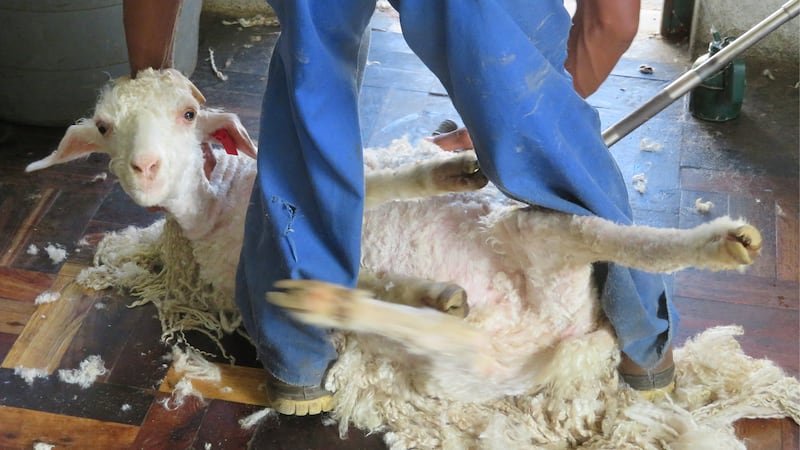
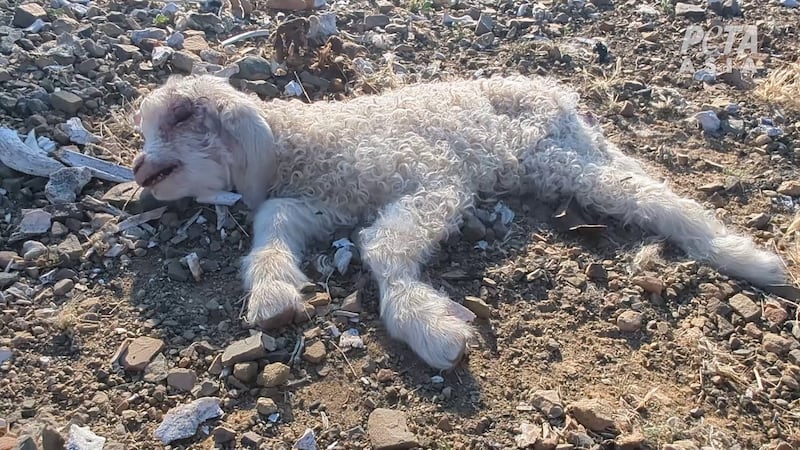
The animal-rights group claims certification is failing to prevent cruelty at farms producing mohair and implicated a supplier to brands such as Paul Smith in a new report.
Nike has agreed to substantial payouts to thousands of former garment workers at a Thai supplier after years of pressure from labour rights campaigners and an independent investigation into alleged wage theft during the pandemic.
The embattled luxury department store is ‘absolutely dependent’ on companies like Chanel, LVMH and Kering, who could ‘suffocate’ the retailer if they stopped shipping, Reuters reported.
The polarising actress has become one of the most frequently tapped brand ambassadors in Hollywood. Whether she has the sway to build a lasting venture with her new lingerie line Syrn is still to be determined.
Fresh off a week of major moments, Tim Blanks and Imran Amed break down the blockbuster couture debuts at Dior and Chanel and what they signify about the state of the luxury industry.
Since the audit began in 2020, the Milanese fashion group found that more than a quarter of suppliers and subcontractors inspected had broken compliance rules.