Agenda-setting intelligence, analysis and advice for the global fashion community.
Agenda-setting intelligence, analysis and advice for the global fashion community.
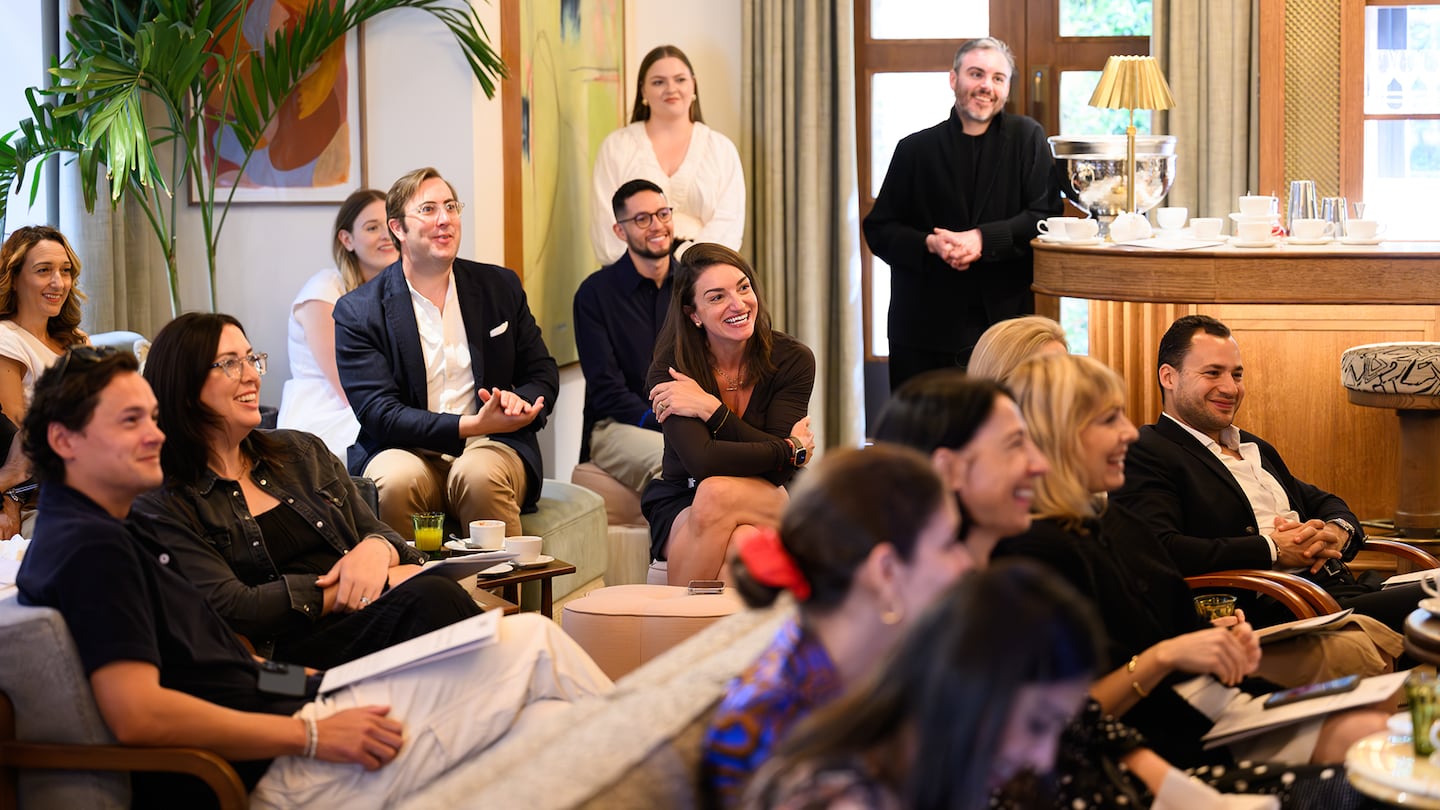
LONDON — At a roundtable hosted by The Business of Fashion for its executive members, senior leaders from a range of global companies shared insights and strategies about how to engage with consumers who are sending volatile and sometimes contradictory messages about where and how they’re willing to spend.
BoF’s recent executive memo about selling to consumers in uncertain times served as the framework for conversation. Written by senior correspondent Sheena Butler-Young, the memo offers strategic solutions about how to win over customers in a time of geopolitical and economic unrest.
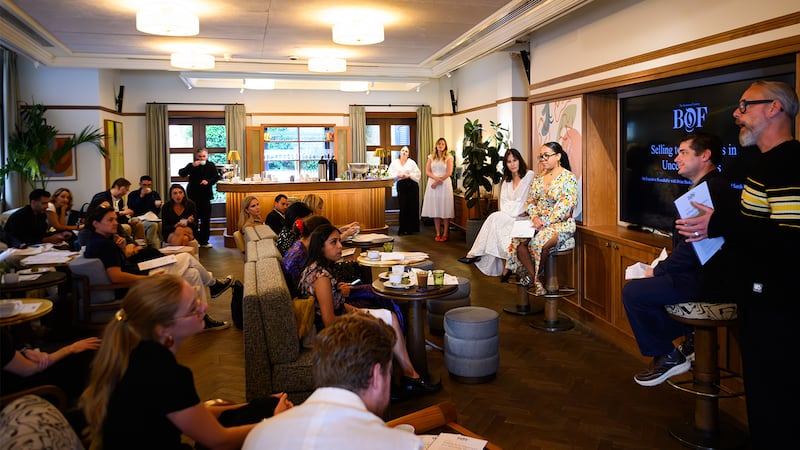
Executive editor Brian Baskin led the discussion alongside Butler-Young and chief sustainability correspondent Sarah Kent. They unpacked the mindset of today’s consumer and the evolving levers of trust, value and emotional connection that drive purchasing behaviour in unpredictable conditions.
While addressing the challenges of the current market, the team also highlighted that the bad times will pass, and avoiding panic and trusting your business and consumer are key in finding success during this time.
ADVERTISEMENT
The intimate, closed-door breakfast was attended by senior leaders from Selfridges, Ralph Lauren, Coach, Givenchy, Tapestry, Amazon Fashion and Sports and many more. Below, we share condensed, anonymised insights with the BoF community and wider industry.
Although consumer sentiment is decreasing in the US and EU, that isn’t yet reflected in many brands’ sales figures. What it shows is that shoppers are getting more deliberate about where they spend; companies need to focus on building emotional connections to ensure they are at the top of the list.
Strong customer experience, both in-store and online, is a defining factor in whether a brand feels “worth it.” That can mean releasing the “it” product of the moment, but it can also come in the form of being a “safe” brand that consumers know will be long-lasting and reliably on trend for years to come. Heritage, quality and emotional value can help consumers view your product as a trustworthy, staple purchase rather than a risky trend.
Many brands leaned on cookie-cutter points-based loyalty programmes to develop a connection with customers. They’re discovering these incentives aren’t driving retention at the rate they’d hoped. Attendees on July 3 discussed how community-first engagement, early access and in-person experience consistently outperform traditional reward systems.
Many brands prefer to use the term “membership” for their schemes, fostering loyalty through the idea of community rather than passive rewards.
Brands are rethinking pricing strategies as margin structure is constantly being challenged by tariffs and inflation. While brands such as E.l.f have communicated directly to customers about why they’re raising prices, BoF’s discussion found that a little goes a long way. Consumers may appreciate a heads-up about a price hike, but they don’t want to be burdened with tariff jargon or constant email or social media blasts on the subject. Modest pricing changes don’t always need to be communicated, and brands can maintain transparency through protecting hero products and reinforcing why their products are worth the buy.

Hosted for Executive Members, Executive Roundtables provide opportunities to connect and collaborate with BoF journalists and senior leaders from the wider BoF community at intimate thought-leadership events in New York, London, Paris and Milan. To join our next event, become an Executive Member now.
As inflation persists and consumer confidence remains low, brands face a critical challenge: how to sell to a more cautious, value-driven shopper without diluting their cachet. From smarter pricing strategies to sharper audience targeting, executives must recalibrate fast to stay competitive in a volatile economy.
The embattled luxury department store is ‘absolutely dependent’ on companies like Chanel, LVMH and Kering, who could ‘suffocate’ the retailer if they stopped shipping, Reuters reported.
A direct-to-consumer strategy and cost discipline have helped the British brand grow without leaning on price hikes.
The 3.5-acre mixed-use estate in the affluent West London district is enhancing its retail and public-realm experience. BoF sits down with The Knightsbridge Estate’s Tom Woolven to discuss how changing consumer behaviour is informing the estate’s development and its curated mix of luxury, premium, lifestyle and wellness brands.
BoF Insights’ Brand Pulse tracking tool reveals how the industry’s top-performing contemporary and accessible luxury brands cultivated loyal online communities through sharp digital engagement strategies.
The embattled luxury department store is ‘absolutely dependent’ on companies like Chanel, LVMH and Kering, who could ‘suffocate’ the retailer if they stopped shipping, Reuters reported.
The polarising actress has become one of the most frequently tapped brand ambassadors in Hollywood. Whether she has the sway to build a lasting venture with her new lingerie line Syrn is still to be determined.
Fresh off a week of major moments, Tim Blanks and Imran Amed break down the blockbuster couture debuts at Dior and Chanel and what they signify about the state of the luxury industry.
Since the audit began in 2020, the Milanese fashion group found that more than a quarter of suppliers and subcontractors inspected had broken compliance rules.