
Agenda-setting intelligence, analysis and advice for the global fashion community.
Agenda-setting intelligence, analysis and advice for the global fashion community.
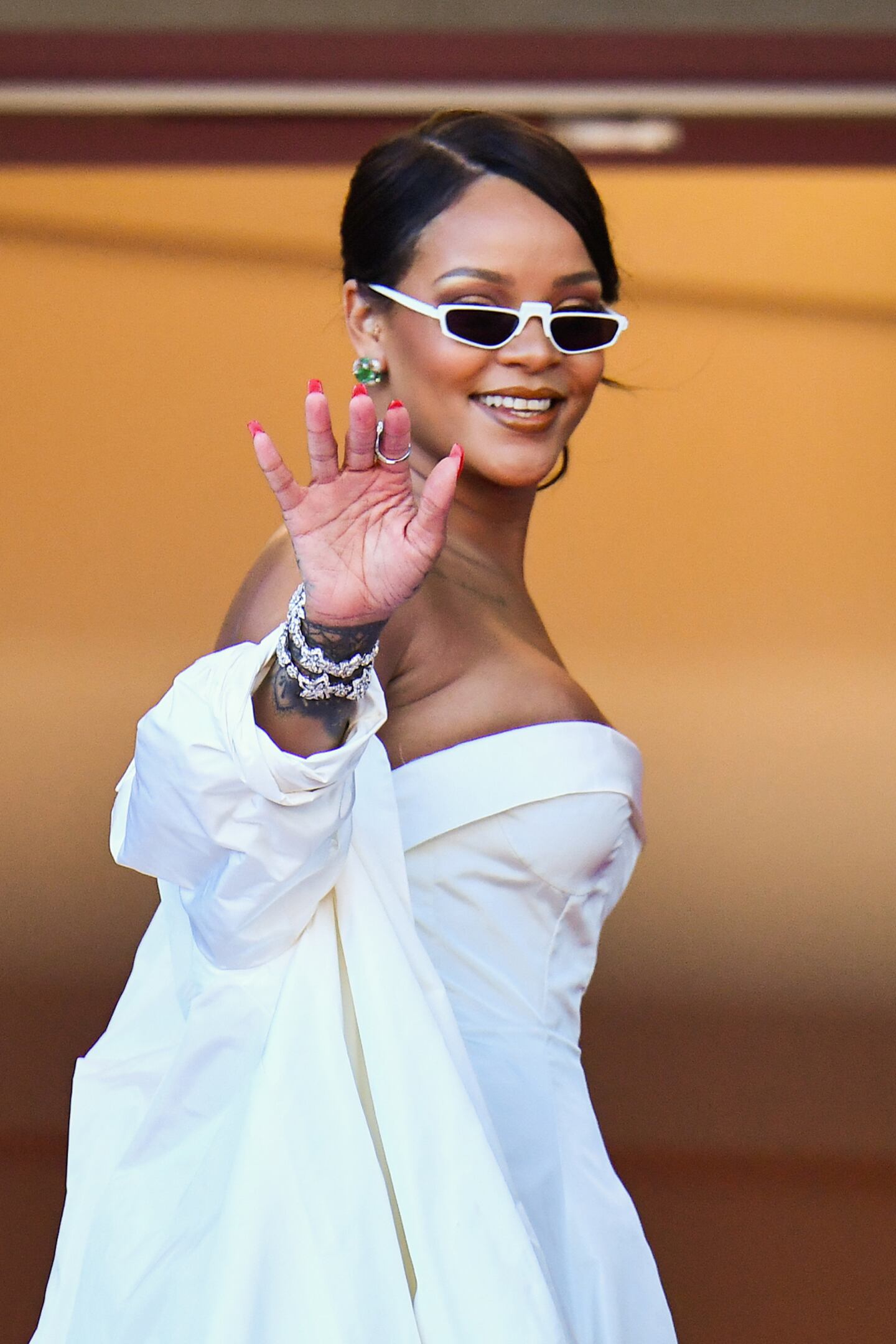
There once was a big-little incubator that could.
After Sephora, the retailer owned by the world’s largest luxury conglomerate LVMH, decided it wanted to cook up its own cosmetic businesses from scratch, it created what became known as Kendo in 2010. The incubator, named for a “can do!” ethos, quietly powered some of the defining beauty brands of the decade.
A decade and change later, its future is in question, after news broke that the conglomerate is exploring a sale of its 50 percent stake in Fenty, the multicategory beauty label founded as a joint venture with the pop star Rihanna in 2017.
Fenty isn’t the crown jewel of Kendo: It’s the whole tiara. Earlier this year, the company sold its ailing makeup label KVD Beauty to Windsong Global, a home for distressed beauty businesses that also purchased JVN Hair and Pipette after the dissolution of Amyris in 2023. Kendo’s license on Marc Jacobs Beauty expired in 2021 and was picked up by Coty two years later; Bite Beauty, the custom lipstick label Kendo purchased in 2014, pivoted to a brick-and-mortar concept called Lip Lab in 2022 after a disastrous vegan-friendly reformulation. Kendo’s only other brand is the skincare label Ole Henriksen.
ADVERTISEMENT
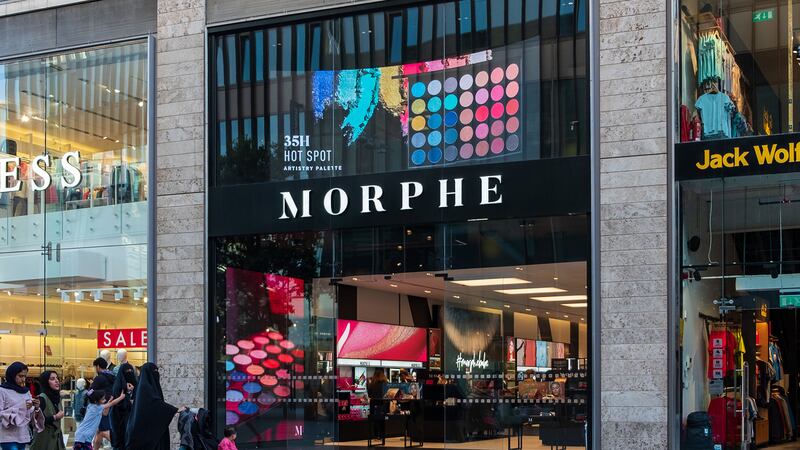
It’s a death knell for the beauty incubator, a structure that Kendo symbolised but which increasingly resembles a relic of a bygone era. An incubator is a tricky thing to build, and in today’s climate much more lucrative in theory than in practice: Names like Amyris and Morphe conjure up cautionary feelings, and even those still in the game, like Maesa, have had some big misses on their scorecards.
The most successful contemporary incubators have been able to quickly transform — like The Center, which founded Naturium with influencer Susan Yara in 2019 and sold it to E.l.f. Beauty in 2023, or Phlur, acquired as a dead asset in 2021 and sold to TSG Consumer Partners this year. If LVMH were to sell Fenty at the upper end of its $2 billion valuation, it would prove an alternative path to glory; that brands can be cultivated over time for a higher payday. Or not: Rhode sold to E.l.f. Beauty for $1 billion after three years in business.
“Fenty was revolutionary at launch, but now it’s hitting the natural plateau of mature celebrity brands,” said Carrie Zhao, the founder of consultancy Creative Acts in Business and a luxury strategist who has worked for L’Oréal and Alibaba Group, pointing to softening sales in North America and consumer fatigue. LVMH’s perfumes and cosmetics sales fell 2 percent in the first nine months of the year, to $6.9 billion, with growth driven by Dior and its fragrance business. Unloading Fenty and winding down Kendo would give the conglomerate room to focus higher priorities like Dior and the new La Beauté Louis Vuitton.
After surpassing $750 million in sales in 2023, turnover has levelled out. Prices of the product have gone up with quality simultaneously going down. (Not the formulas, which enjoy above average NPS scores, but the packaging, according to Reddit users.)
“Trying to get them to the next stage of growth would probably be quite a costly investment,” said Rishum Butt, a beauty industry consultant. LVMH and Kendo declined to comment.
Back in the 2000s, Kendo was a brilliant idea. The incubator was first established as Sephora Originals, a subsidiary of the LVMH-owned retailer, before being spun off as Kendo in 2010. The model granted aspiring businesses not only the tools to build a brand but also placement in one of the industry’s most prominent retailers.
Early hits included KVD Beauty, from the tattoo artist Kat von D, and Marc Jacobs Beauty, two multicategory makeup labels that each earned a devoted following. But its biggest grail of all was Fenty Beauty, which launched in 2017 with the pop star Rihanna — who owned half of the business alongside LVMH; over the years it grew to span cosmetics, hair, fragrance and body.
At Fenty’s debut, the incubator model was widespread, as companies like Amyris, Forma Brands and Maesa struck deals with celebrity partners and created new beauty concepts. Maesa and its ilk had ambitions to become conglomerates of their own, like Unilevers-in-waiting. Others, like Luxury Brand Partners, built brands (such as Oribe) or renovated and flipped them (like Becca Cosmetics) for sale (to Kao and Lauder, respectively). Meanwhile, the road to exit was getting longer. The typical cash-out cycle for VC- or incubator-backed beauty brands was 3 to 5 years before 2020, but has stretched to roughly 5 to 8 years today, Zhao said.
ADVERTISEMENT
Amyris and Forma Brands both filed for bankruptcy and sold off their brands in a fire sale, while Maesa, which produced Drew Barrymore’s Flower Beauty, closed the line (Barrymore herself didn’t want to buy it) and announced it was getting out of the colour cosmetics business altogether in September to focus on high performers like Ashley Tisdale’s “functional” fragrance label Being Frenshe. Prior to that, a crop of hair lines from celebrity stylist Andrew Fitzsimmons and actress Taraji Henson didn’t resonate and were sold to their famous faces. The incubator Beach House launched Millie Bobby Brown’s makeup line Florence by Mills in 2018, but the actress bought it back just two years later; Pattern Beauty, created with the incubator and Tracee Ellis Ross in 2019, remains the company’s only breakout beauty hit.
Many of these businesses hoped to sell these indie lines at greater valuations, but the independent beauty churn has gotten faster and more competitive. Even with the backing of an Amyris or a Forma, not all brands can go the distance.
Kendo, like Sephora and LVMH, is a masterful brand architect. Fenty is one of few brands (two, according to the 2023 volume of The State of Fashion: Beauty Report) founded in the late 2010s to scale over $750 million in sales, along with Chinese skincare label Winona. But the incubator had difficulty shifting its focus between brands, not only with Sephora shelf space but with internal resources, which were diverted toward newer, shinier launches; this is how the once beloved Marc Jacobs Beauty lost steam and eventually petered out.
Kendo “reflect[ed] a slower, more deliberate model, building enduring intellectual property rather than quick exits,” Zhao explained. But that slow model could have also signalled its undoing. Kendo failed to incubate another brand after Fenty, leaving eight years of potential growth by the wayside.
What’s more puzzling about this development is the suggestion that LVMH is rethinking its partnership with one of its most beloved partners: Robyn “Rihanna” Fenty.
The Barbadian pop star is an avatar of the consumer beauty success story, becoming a billionaire in 2021 thanks to Fenty. (Fans of Rihanna’s music bitterly note that she hasn’t released a new album since before she inked her LVMH deal.) Last year, Dior made her the face of its J’adore fragrance. On one hand, this was interesting given Fenty’s own fragrance line; on the other, it was J’adore, perhaps one of the most highly valued perfume contracts of all time.

Fenty is still popular with shoppers, according to social listening firm Spate’s Popularity Index, which trawls Google, Instagram and TikTok, but hit its peak in February 2023 — when Rihanna performed during the Super Bowl Halftime Show and used Fenty’s blotting papers onstage. But the current era of famous-founded brands favour those, like Susan Yara or Chriselle Lim or Hailey Bieber, who are in the pockets of shoppers, instead of appearing to them largely in paparazzi photos or from stadium stages.
The brand has expanded into new retailers — notably Ulta Beauty and its Target outposts (subsequently losing its prime shelf space at Sephora) — and new geographies — launching with Tira Beauty in India and expanding its presence in China. Fenty originally entered China in 2019 through Tmall, and in 2024 it spread to Sephora and its own Douyin storefront. A Fenty concept store opened in Shenzhen, and the label appointed actor Dylan Wang as a global ambassador. Rihanna visited twice in 2024, and surprised fans at a pop-up by making a traditional crepe.
ADVERTISEMENT
Perhaps its growth has slowed, but Fenty is still a big business with considerable international opportunity, strong product ranges and an à la carte global celebrity.
The likeliest outcome for Fenty is that a private equity firm will help Rihanna buy the rest of it, similar to Mona Kattan’s manoeuver with Kayali in Feb. What LVMH will do with its incubator remains unclear; at press time, Kendo still had open roles listed in Fenty’s marketing department.
“It’s definitely a turning point for them,” said Zhao.
Want to dive deeper into an insight from this article? Check out The Brain of Fashion, BoF’s new generative AI tool where you can unlock BoF’s beauty archive with a single question.
Sign up to The Business of Beauty newsletter, your complimentary, must-read source for the day’s most important beauty and wellness news and analysis.
Disclosure: LVMH is part of a group of investors who, together, hold a minority interest in The Business of Fashion. All investors have signed shareholders’ documentation guaranteeing BoF’s complete editorial independence.
Luxury goods giant LVMH is exploring a sale of its 50 percent stake in Fenty Beauty, which it co-owns with Grammy Award-winning singer and entrepreneur Rihanna, sources told Reuters.
The largest beauty retailer in the US announced it will not renew its shop-in-shop partnership with Target. While initially popular, poor execution, changing shopping habits and overlap between the two stores’ locations and customers brought the collaboration to a halt, experts said.
From ‘Smurfs’ to ‘Jurassic World Rebirth’, big-budget films are an increasingly popular marketing tie-in for beauty companies — especially when their founder is also a star.

Brennan Kilbane is News and Features Editor at The Business of Beauty. He is based in London, and supports BoF’s coverage of the multifaceted cosmetics industry, from fine fragrance to wellness trends.
Brands are designing products and packaging meant to be clicked, tapped and touched. Actually using them is beside the point.
This week, I look at the very different roads traveled by Pat McGrath and Charlotte Tilbury, wait with bated breath for Pleasing’s comeback and review LVMH’s beauty results.
European shoppers are increasingly buying beauty online, but local merchants face stiff competition from newer giants like Amazon and TikTok Shop.
As discovery commerce reshapes the beauty industry, this playbook details how brands can leverage modern shopping behaviours, boost awareness and build cross-channel demand through TikTok Shop’s creator-led marketplace — with insights from Phlur, Medicube and POV Beauty’s Mikayla Nogueira.
Thom Browne, Abercrombie & Fitch and Tecovas are among the brands with Super Bowl activations. Meanwhile, the Winter Olympics kick off in Milan.
The embattled luxury department store is ‘absolutely dependent’ on companies like Chanel, LVMH and Kering, who could ‘suffocate’ the retailer if they stopped shipping, Reuters reported.
The polarising actress has become one of the most frequently tapped brand ambassadors in Hollywood. Whether she has the sway to build a lasting venture with her new lingerie line Syrn is still to be determined.
Fresh off a week of major moments, Tim Blanks and Imran Amed break down the blockbuster couture debuts at Dior and Chanel and what they signify about the state of the luxury industry.


